Why Small Everyday Tasks Quietly Drain More Time Than You Think
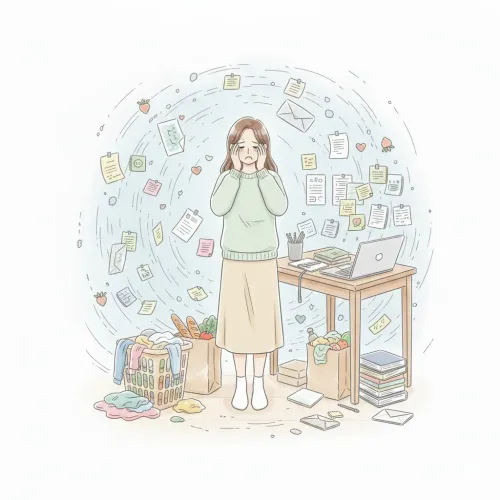
Small everyday tasks drain more time than you think because they never arrive as one job. They arrive as a string of short interruptions, and each one asks you to remember, travel, and switch back. In Zürich that is often a parcel, a dog, a shop that closes, and a flat in a different quarter.
This is for anyone whose week looks busy without a single large project: a student between lectures, a parent after work, a person living alone without family nearby. The pressure is real. It is also ordinary.
Small tasks create pressure because they never finish
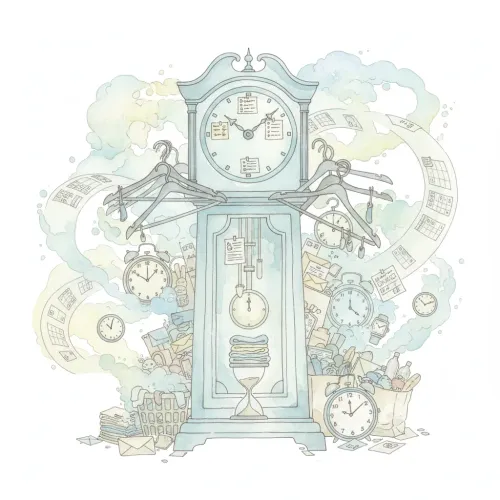
A single chore looks harmless: a reply, a pickup on the way home, a return, the rubbish on the right day, the dog, the mailbox. None of these needs a plan on paper. Together they keep a low-level list open all day. When everyday tasks take too long, dozens of micro-tasks are competing for the same evening.
The list also refills. You return the library book and a new hold is ready. You walk the dog and the dog needs to go out again tomorrow. Large projects end. These do not.
The time cost is the interruption, not the chore

Doing the task is only part of the drain. Before that you:
- remember it is due,
- decide whether today is possible,
- and leave whatever you were already doing.
That switch follows you into breaks. An unfinished parcel pickup sits in the background while you try to read, cook, or finish a slide. Over a week, the background list is what makes the day feel heavier than the hours suggest.
Help with daily errands changes this only if the task leaves your head. The useful version is short, local, and finished.
A Zürich evening that looks short on paper
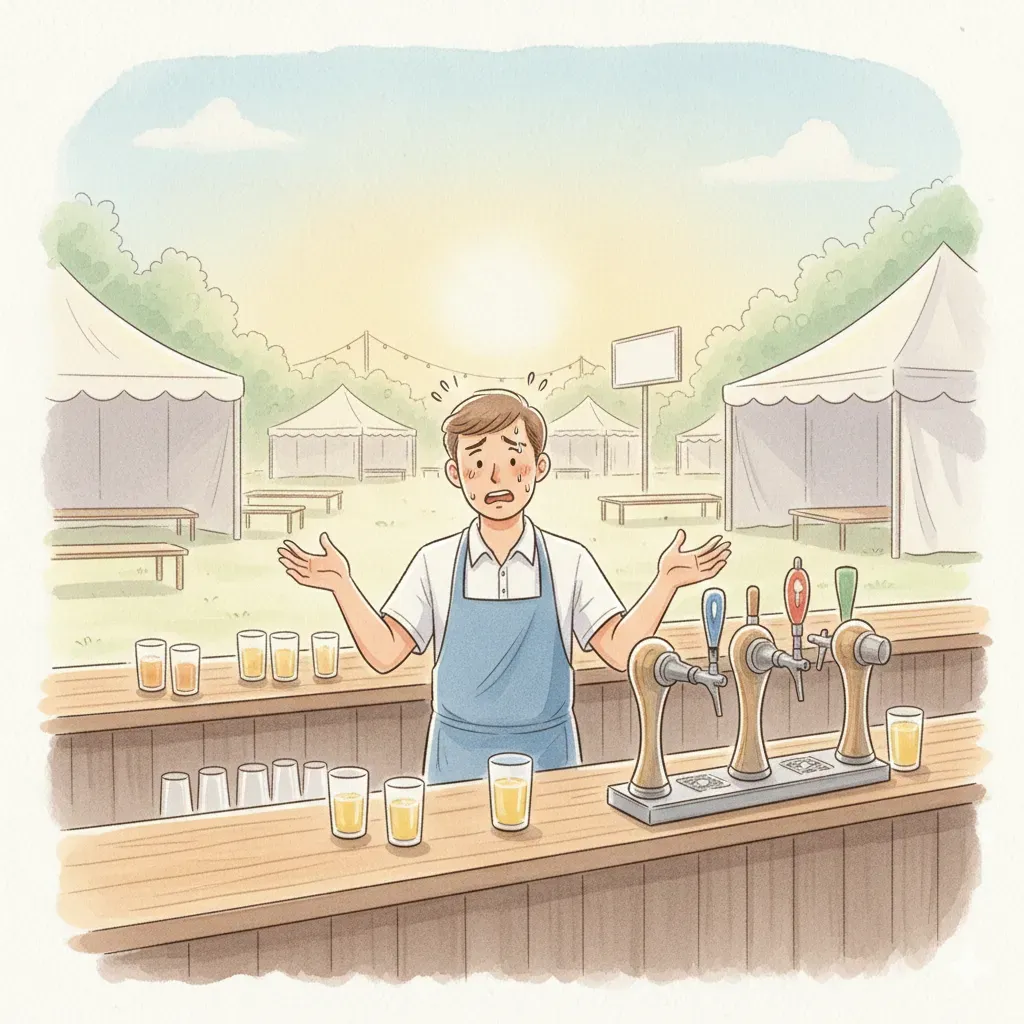
Here is a sketch, not a study. You leave work or a lecture around 18:00 in Oerlikon or at ETH. The flat is in Wiedikon or Altstetten. On the way you meant to collect a parcel before the counter closes, buy something for dinner, drop glass at a collection point that is not outside your door, and walk the dog, who has been inside since lunch.
Each line is short if you already stand next to it. You do not. The tram, a queue, and a shop in the wrong direction turn the list into the evening. You eat late. The thing you meant to do for yourself starts at 21:30, or not at all.
If you are between lectures
The gap looks free until the errand is in another Kreis and the next class starts.
If you share a flat
The recycling and the hallway boxes wait for whoever is home first, which is often you.
If you live alone
There is no second person who can take the dog out while you finish a shift.
People postpone these items because they feel too small to schedule. Then they collide.
Why “I will batch them” often fails
Batching errands is good advice when you have a free block and the places sit on one route. In practice the block disappears. A meeting runs long. The post counter has a queue. The Coop you planned is past the stop you actually get off at.
The other usual fix is to care less and let things slide. That works for a mailbox. It works badly for a dog, a leaking tap you can live with for one more day, or a move-in date that does not move. Small tasks are hard to eliminate because they repeat, they do not feel important enough to book like a meeting, and postponing them creates a worse version next week.
When a small task has stopped being small
A task has stopped being small when one of these is true:
- it keeps reappearing and you are always the person who remembers it,
- it breaks focus during work or study,
- or it decides how you spend the evening before you do.
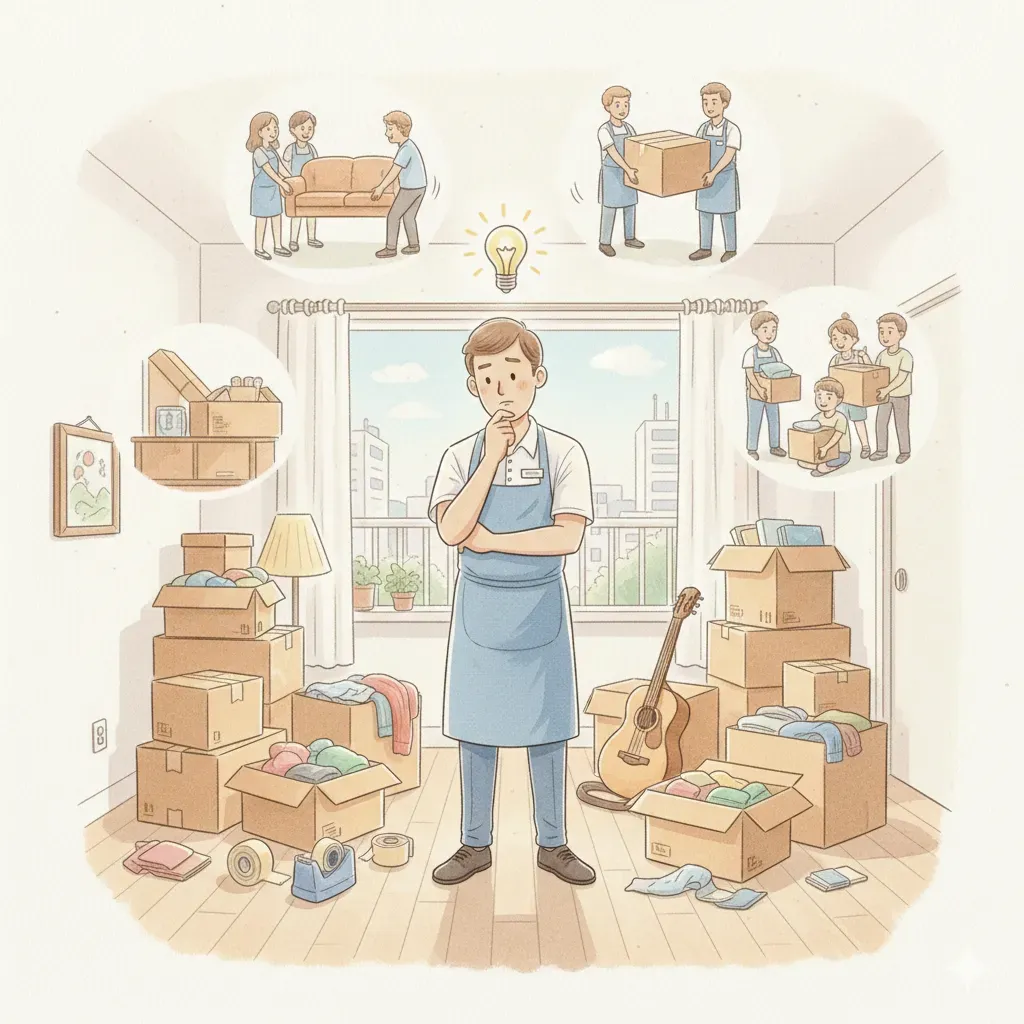
That is the moment when asking for help is practical. You do not need a personal assistant for a parcel or a stack of boxes. You need the item off the list once, with someone who is already in the city.
What changes if someone else takes one item
When one task is shared, the rest of the evening is shorter in a way that is easy to underestimate. Fewer interruptions. Less of the list running in the background. More of the time you actually chose.
In Zürich, that help is often a student nearby: flexible hours, already travelling between campus and a flat, suited to a clearly described errand or a couple of hours of carrying. You are not hiring a household. You are removing one job that does not need your name on it.
Getting help is a poor fit when you enjoy the task, when it needs a licensed trade, or when the “task” is really a decision only you can make. For the rest, the drain is optional.
If you want to see the paths people actually use, read what your options are when you need help with small tasks. The hidden hours themselves are the subject of the opportunity cost of doing everything yourself.
Is this just poor time management?
Often no. The tasks are short, and the travel between them is what fills the evening. A tighter to-do list does not move a parcel counter closer to your flat.
Should I stop doing chores I like?
No. Keep the ones that calm you down. Hand off the ones you postpone because they only exist to be finished.
Do I need a formal service for this?
Not for a one-off errand, a dog walk, or help carrying boxes. A formal contract fits work that is ongoing, specialised, or licensed. A short local favour-with-a-clear-scope fits the rest.
Related Articles
You might also be interested in these articles